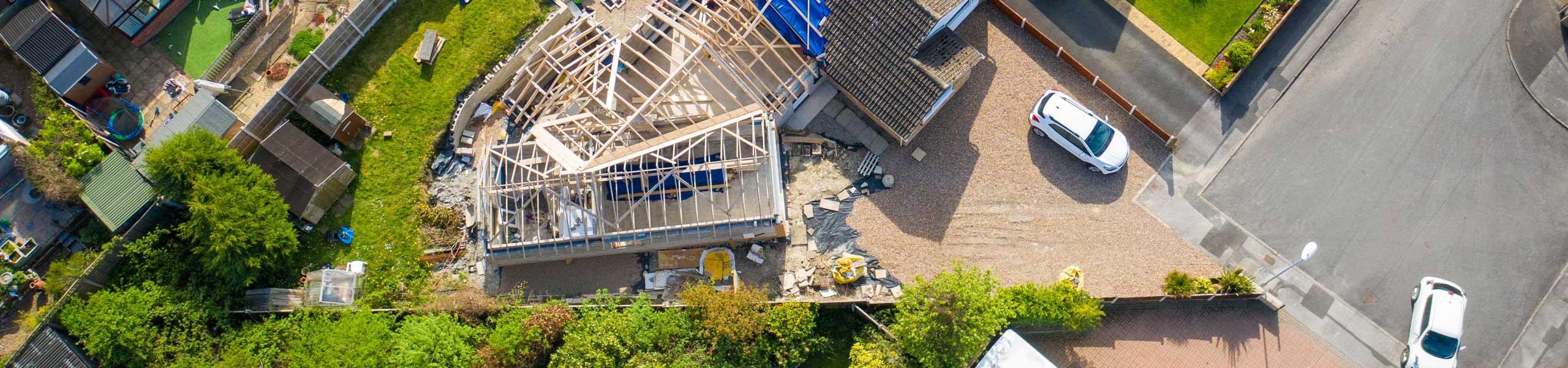
If you’re planning a house extension, one of the most common questions is whether Building Control approval is required.
In most cases, the answer is yes.
Building Control helps ensure that building work complies with the Building Regulations 2010, covering important areas such as structural stability, fire safety, drainage, insulation and ventilation.
Why Building Control Matters
Building Regulations exist to ensure that building work is carried out safely and to the required standards. Whether you’re adding a single-storey extension, a two-storey extension or altering the structure of your home, Building Control plays an important role throughout the project.
Having a Registered Building Control Approver involved from the beginning can help identify potential issues early, reducing delays once work is underway.
Working With Your Design Team
At Complete Building Control Ltd, our Registered Building Inspectors work closely with homeowners, architects and builders throughout every stage of the project.
We also offer pre-application advice (subject to appointment instruction), helping clients address Building Regulations requirements before construction begins.
Plan Checking
Before work starts, plans are reviewed to help ensure they comply with current Building Regulations.
This collaborative approach allows any issues to be resolved early, helping projects progress more efficiently.
Site Inspections
As work progresses, inspections are carried out at key stages of construction.
These inspections help ensure that work complies with the approved plans and current Building Regulations.
Choosing Complete Building Control
Whether you’re extending your family home or undertaking a larger domestic project, our experienced Registered Building Inspectors provide practical advice, plan checking and site inspections from start to finish.
If you’re planning a house extension and would like professional Building Control support, contact Complete Building Control Ltd to discuss your project.